

Local History Review | Fall 2026
The Local History Review is a quarterly publication by Local History & Genealogy at the Springfield-Greene County Library. Each issue features department news, highlights from our collections and programs, upcoming events, and tips for researching the history of Springfield and the Ozarks.
In This Issue
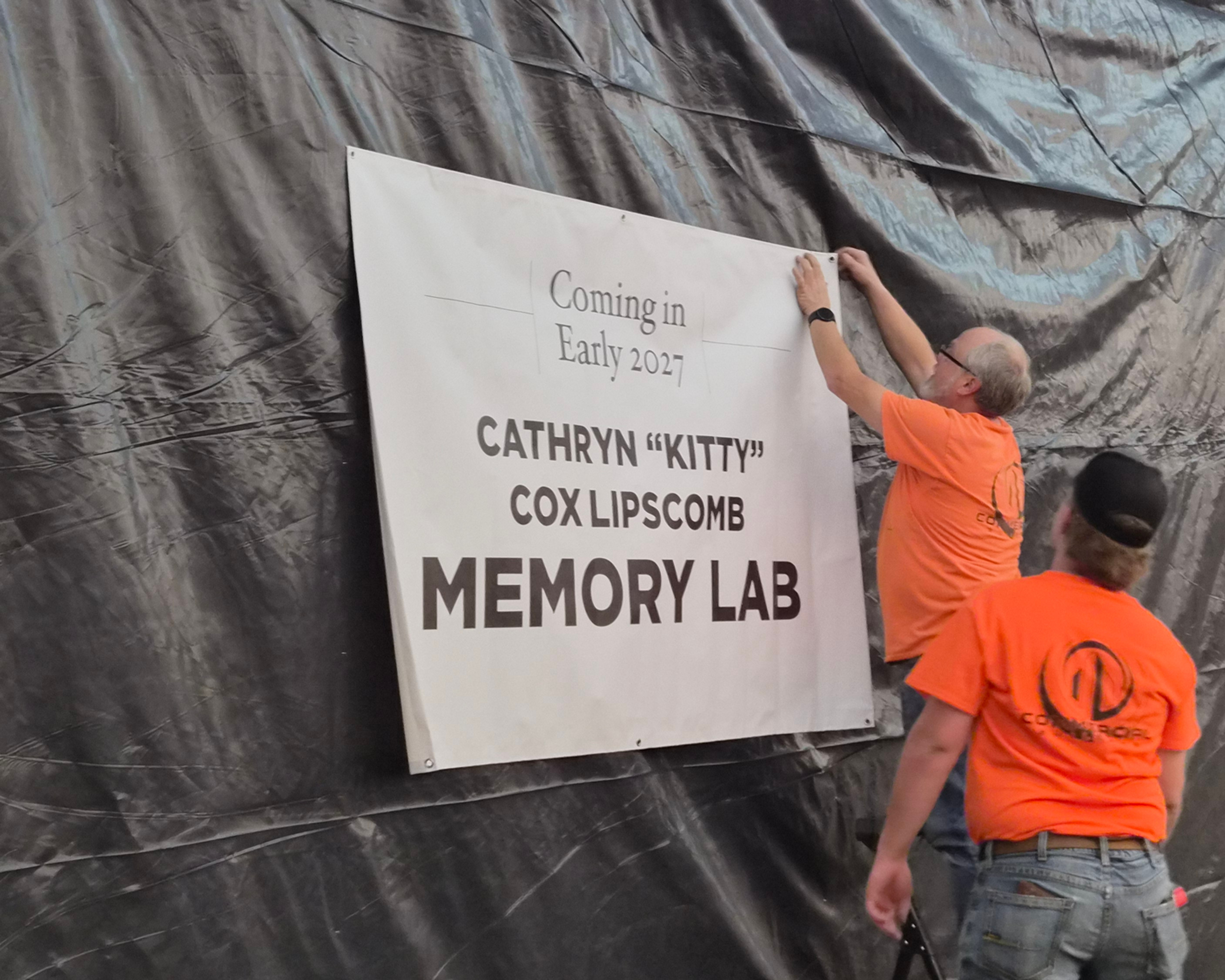
Coming Soon: The Cathryn Cox Lipscomb Memory Lab
Beginning in early 2027, community members will be able to preserve personal and family media at the Library Center's new Memory Lab. Construction began October 19, 2026. Operated by Local History & Genealogy staff, the lab will provide guidance and equipment for transferring nearly any type of media to a durable digital format.
Rendering of the planned Cathryn Cox Lipscomb Memory Lab. Courtesy of Sapp Design Architects. Rendering of the planned Cathryn Cox Lipscomb Memory Lab. Courtesy of Sapp Design Architects. Rendering of the planned Cathryn Cox Lipscomb Memory Lab. Courtesy of Sapp Design Architects.
The Memory Lab will also feature a recording room, where community members can record their personal histories or interview family members to preserve their stories. Anyone will be able to use the Memory Lab for free.
A generous gift from Larry and Tracy Lipscomb has made the Memory Lab possible. The lab will be named for Larry's mother, Cathryn Cox Lipscomb. Construction is projected
to finish in late December 2026, with a public opening planned for early 2027.
Summer Highlights: Exhibits, Programs & Research
The Americans and the Holocaust traveling exhibit and program series
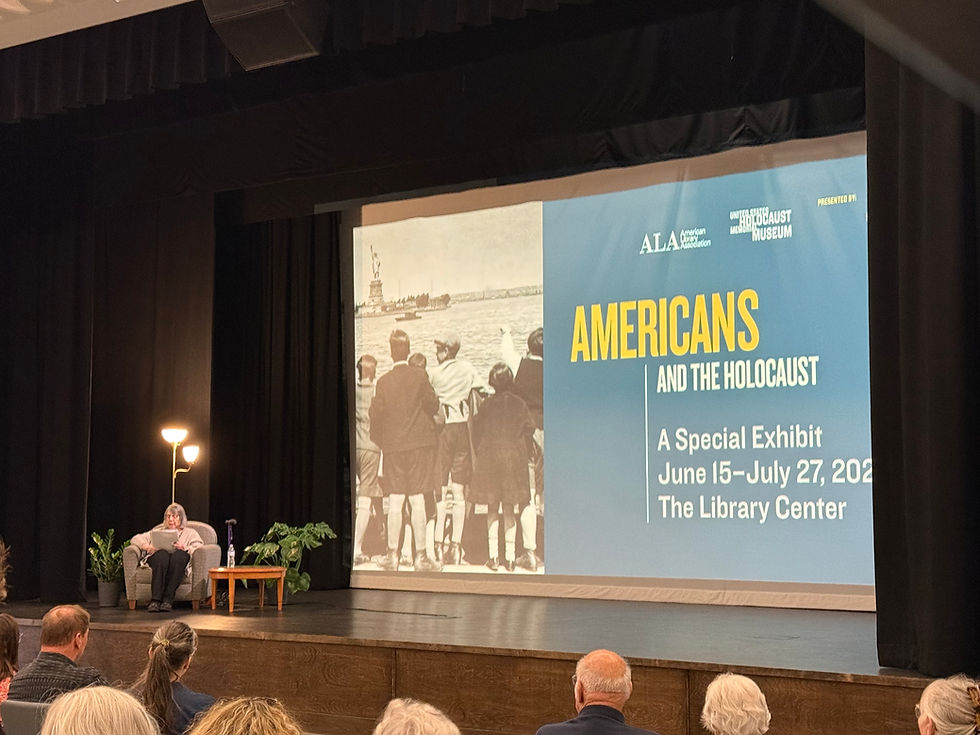
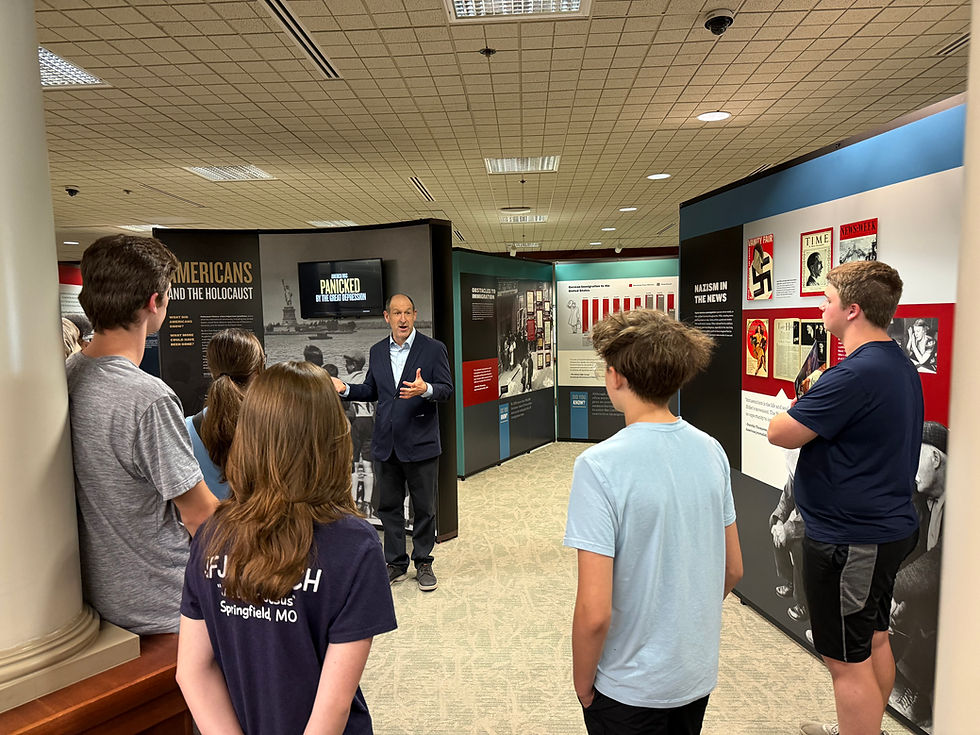
This summer, the Springfield-Greene County Library District hosted the Americans and the Holocaust traveling exhibit from the United States Holocaust Memorial Museum and the American Library Association. The exhibit interrogates the American response to Nazism, war, and genocide in the 1930s and 1940s. Through powerful primary sources and personal stories, it examines the choices and challenges faced by leaders and everyday citizens alike.
The accompanying program series brought local and internationally known speakers to the Library, offering audiences additional perspectives on the Holocaust and America's response to it.
One such speaker was Erika Schwartz, who shared her survivor story on Tuesday, June 23 with 200 attendees in the Hatch Auditorium. Born in 1944 in Nazi-occupied Hungary, Schwartz and her mother survived the Holocaust; they were the only members of her maternal family to do so.
The Library District also hosted Daniel Greene, a historian and the curator of the Americans and the Holocaust exhibit. Greene discussed the domestic conditions that shaped America's response to the atrocities abroad and examined why rescuing European Jews never became a priority for the government or most Americans.
The program series concluded on July 23 in an evening with award-winning novelist Sharon Cameron. Cameron is the #1 New York Times best-selling author of eight novels, including The Light in Hidden Places (2020), Bluebird (2021), and Artifice (2023). The Light in Hidden Places was a 2020 Reese Witherspoon Book Club pick and has been sold in nineteen countries.
Cameron spoke in the Hatch Auditorium to a crowd of 110 about The Light in Hidden Places, providing insights into her research and writing process. Audience members praised Cameron's presentation. "This author is amazing," remarked one attendee. "Sharon Cameron left one with hope for the future, with one person at a time doing the 'right thing,'" said another.
Official Library programs drew 875 attendees, while another 200 participated in supporting events and scheduled exhibit tours. Staff also conducted dozens of impromptu tours for individuals and small groups. In all, more than 8,000 people visited the exhibit during its six-week stay at the Library Center.
We received hundreds of surveys and comments from patrons. Here are just a few of the things that community members had to say about the Americans and the Holocaust exhibit and program series:
"THANK YOU for bringing this exhibit and programs to our community. This is SO IMPORTANT to history and to now."
"Thank you for incredible, life-changing programs and exhibit."
"I applaud that these programs are occurring. Thank you to all for the time and effort."
"This was an amazing program. Thank you for bringing it to Springfield! I have been to the museum in D.C., but this traveling exhibition was so thought-provoking. The speakers I was able to attend were riveting. Thank you!!!!"
The inaugural Remembering the Civil War in Missouri program series
Throughout September, Local History & Genealogy presented a series of programs examining the Civil War in Missouri through the experiences of soldiers and their families. The programs drew a combined audience of 227 at the Library Center Hatch Auditorium and Springfield National Cemetery, with attendees praising the speakers and the presentations.
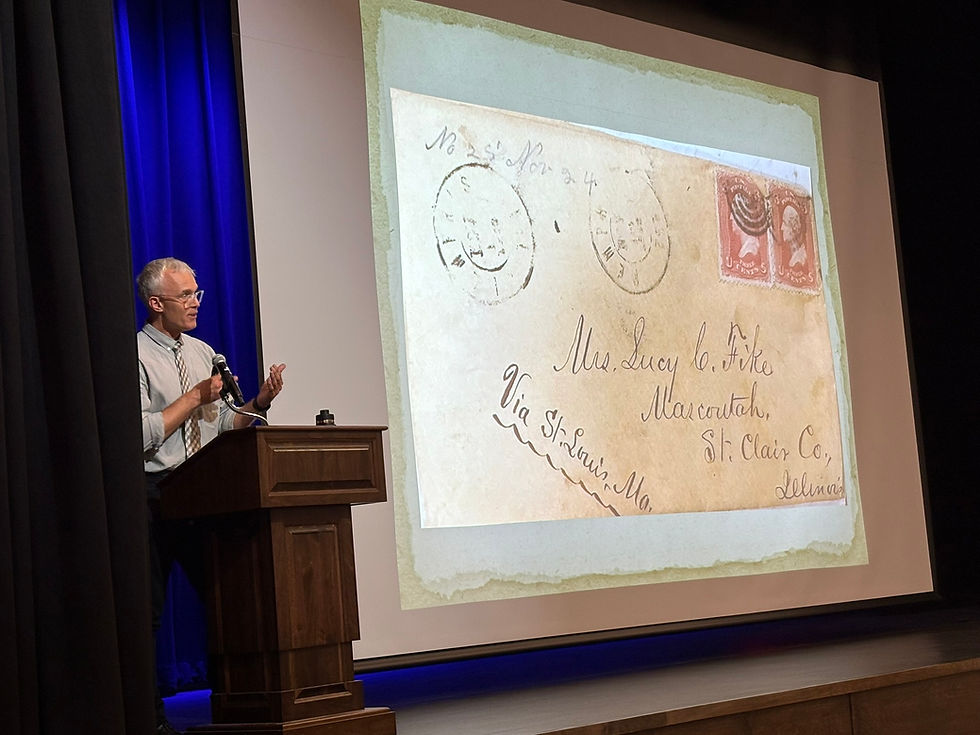
The series began on September 3 with a presentation by Dr. Jeremy Neely, Associate Professor of History at Missouri State University. Neely drew from a collection of letters exchanged by Henry Fike, a quartermaster in the 117th Illinois Infantry, and his wife, Cimbaline. Their correspondence offers insights into the Fikes' marriage and the challenges of life on the Civil War homefront, particularly through Cimbaline's accounts of raising their daughter, managing health problems, and coping with her husband's absence.
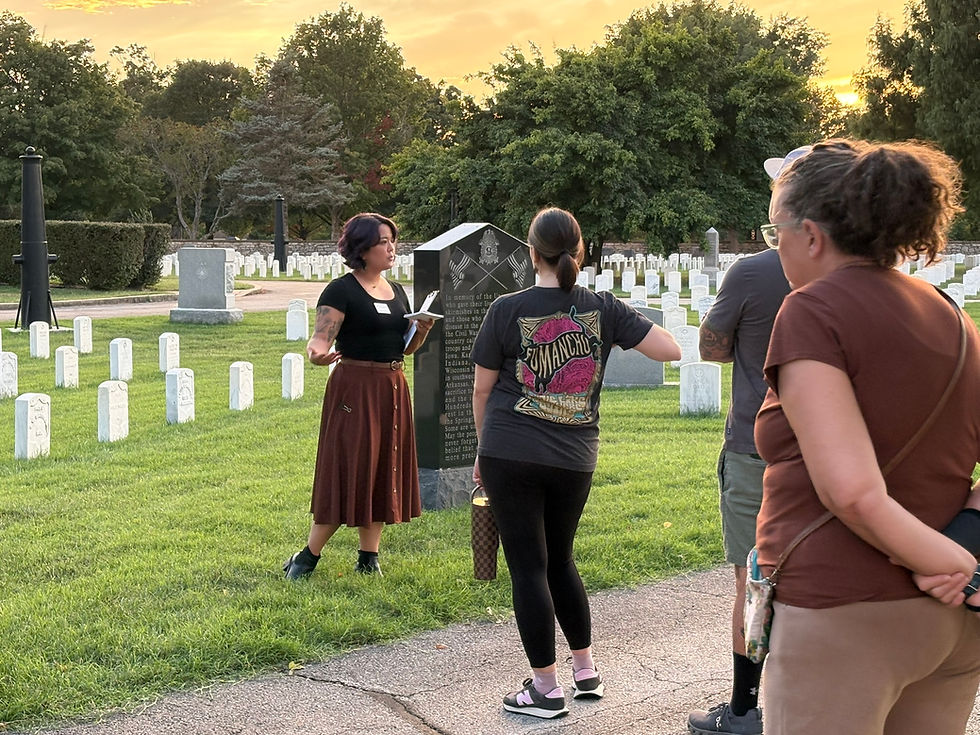
On September 10, Local History & Genealogy staff members Michael Price, Brandon Broughton, and Ashley Morrill led 60 patrons on a tour of the Springfield National Cemetery. The tour covered the complicated history and legacy of the Civil War in the Ozarks through monuments in the cemetery and the stories of the people buried there. Several attendees said that the tour introduced them to aspects of the conflict they had not previously considered.
On September 17, Michael Price gave a program in which he traced the experiences of the 1st Arkansas Cavalry (U.S.) as they battled pro-Confederate guerrilla forces between Fayetteville and Springfield. Composed largely of Union refugees from Arkansas and Missouri, the regiment faced chronic equipment shortages, while many soldiers temporarily deserted to check on their families. Despite difficult circumstances, the men of the 1st Arkansas proved to be determined soldiers.
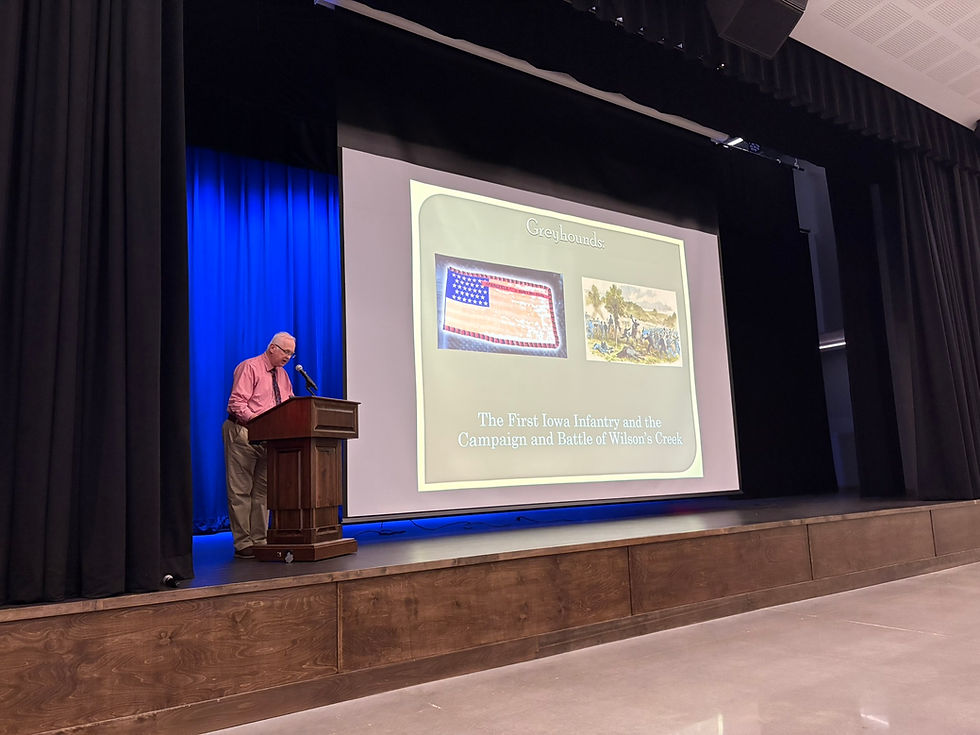
Civil War author Jeff Patrick discussed another Union regiment, the 1st Iowa Infantry, during a program on September 24. Recruited for just 90 days in the spring of 1861, the men of the 1st Iowa enlisted eagerly, unaware of the realities of war. They soon found themselves enduring long, hot marches under a blazing Missouri sun. The tough Iowans earned the respect of Union General Nathaniel Lyon, and they were heavily engaged on Bloody Hill during the Battle of Wilson's Creek. Patrick's program featured many quotations from the soldiers as they vividly described the hardships they faced during the campaign and battle.
Based on the success of the inaugural Remembering the Civil War in Missouri series, we hope to offer similar Civil War programming in 2027.
A packed season for the Local History blog
Local History & Genealogy staff published a wide-ranging collection of articles this summer, covering subjects from regional landmarks to lesser-known chapters of Ozarks history.
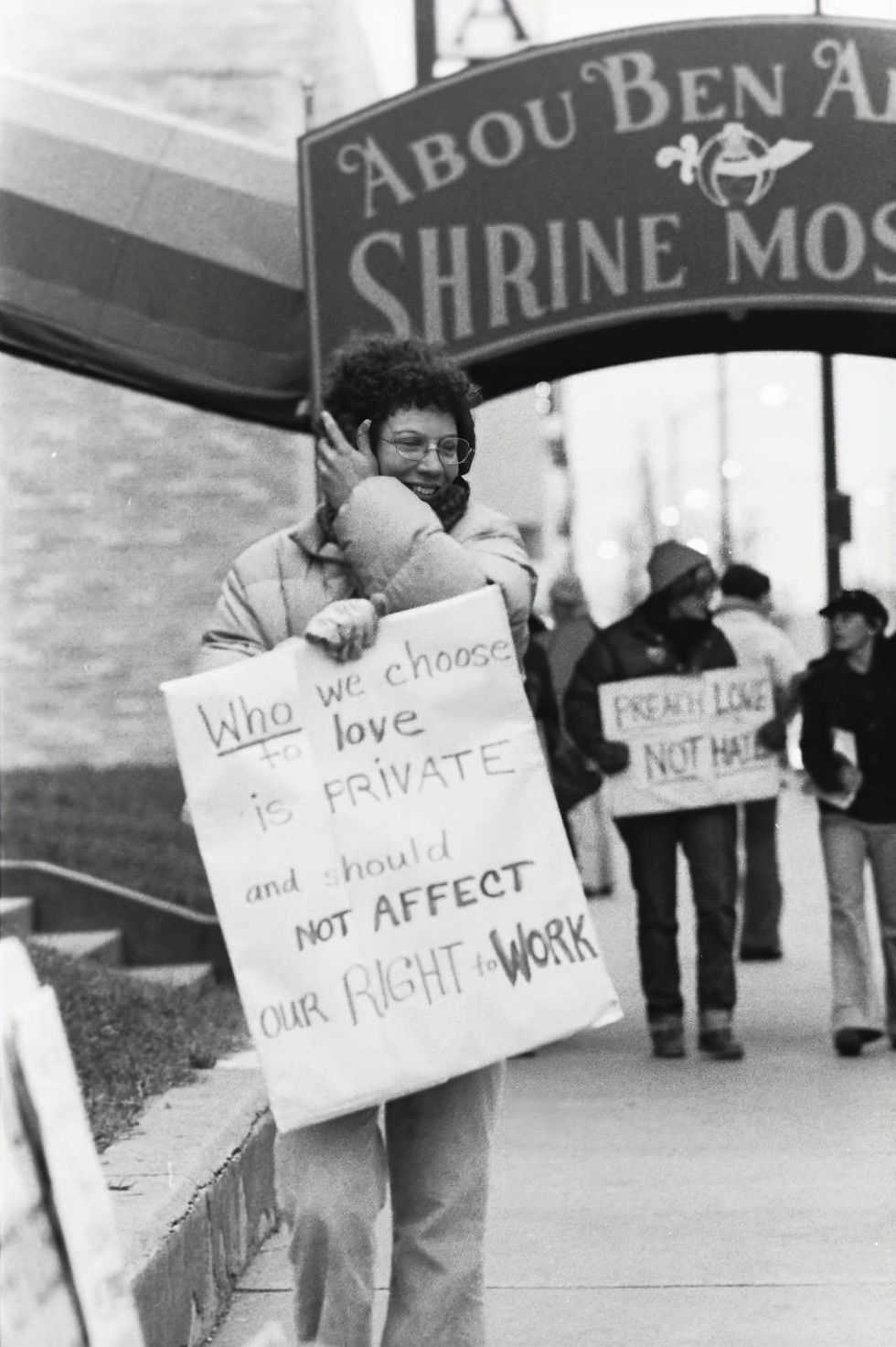
In June, Local History & Genealogy staff explored the history of LGBTQ+ people in the Ozarks in An Incomplete LGBTQ+ History of Springfield. This timeline covers topics including the 1989 Normal Heart controversy, the impact of HIV/AIDS in the Ozarks, and the first officially sanctioned same-sex marriage in Greene County, Missouri.
Later that month, Archivist Madison Holt plumbed the depths of Tri-Lakes history in The Lost Villages of the White River. Consulting memoirs, historical newspapers, and local poetry, Holt brought the stories of submerged Ozarks settlements back to the surface.
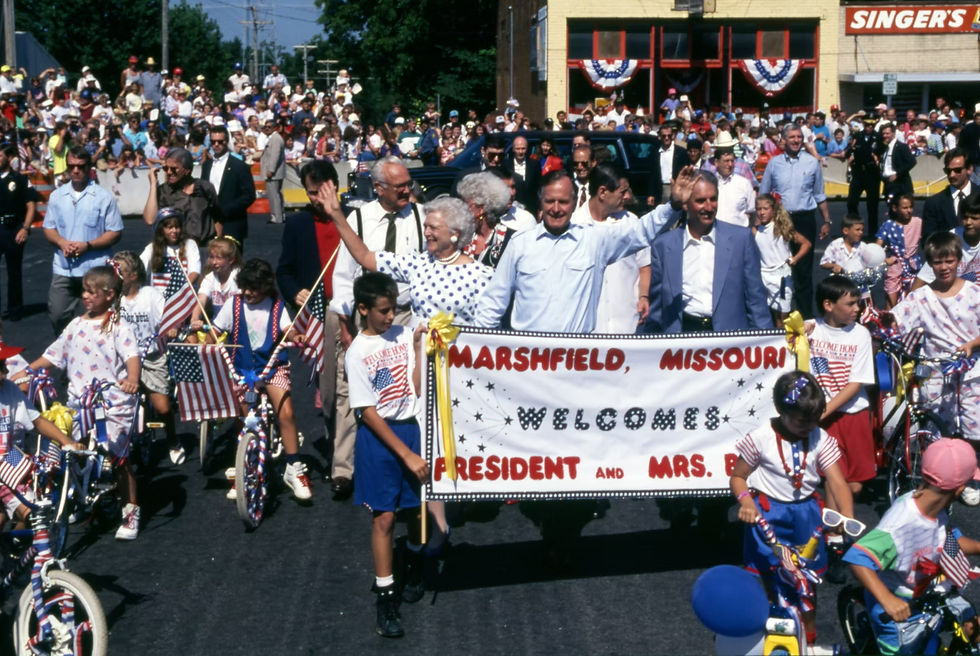
Historian Michael Price revisited a notable presidential visit to the Ozarks in George H. W. Bush and Marshfield's Fourth of July Parade. President and First Lady Bush led Marshfield's Fourth of July Parade in 1991, drawing a crowd of 15,000 celebrants.
In August, Price examined the history of Wilson's Creek National Battlefield, a familiar landmark to Ozarks history enthusiasts. Although the park is a premier destination for Trans-Mississippi Civil War research today, it owes that status to the efforts of many men and women who worked to preserve the site and its history. Check out Wilson's Creek: A Battlefield's Legacy for the full story.
Price turned his attention to another local landmark in September with Plaster Stadium: A Home for the Bears. In this article, Price traces the history of Missouri State's football home from its origins as a WPA project to its controversial name change in the 1990s. Keep an eye out for a cameo by MSU alum John Goodman.
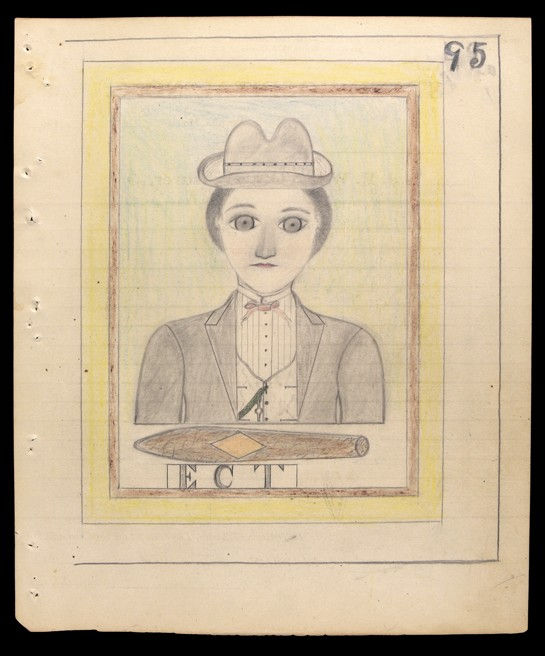
Archivist Madison Holt concluded the season with The Mystery of the Electric Pencil, an exploration of the striking drawings of the enigmatic artist known as the "Electric Pencil." This fascinating story concerning outsider art and the history of psychiatry features several of the Electric Pencil's remarkable drawings.
New Historical Collections & Research Resources
Land Clearance Collection
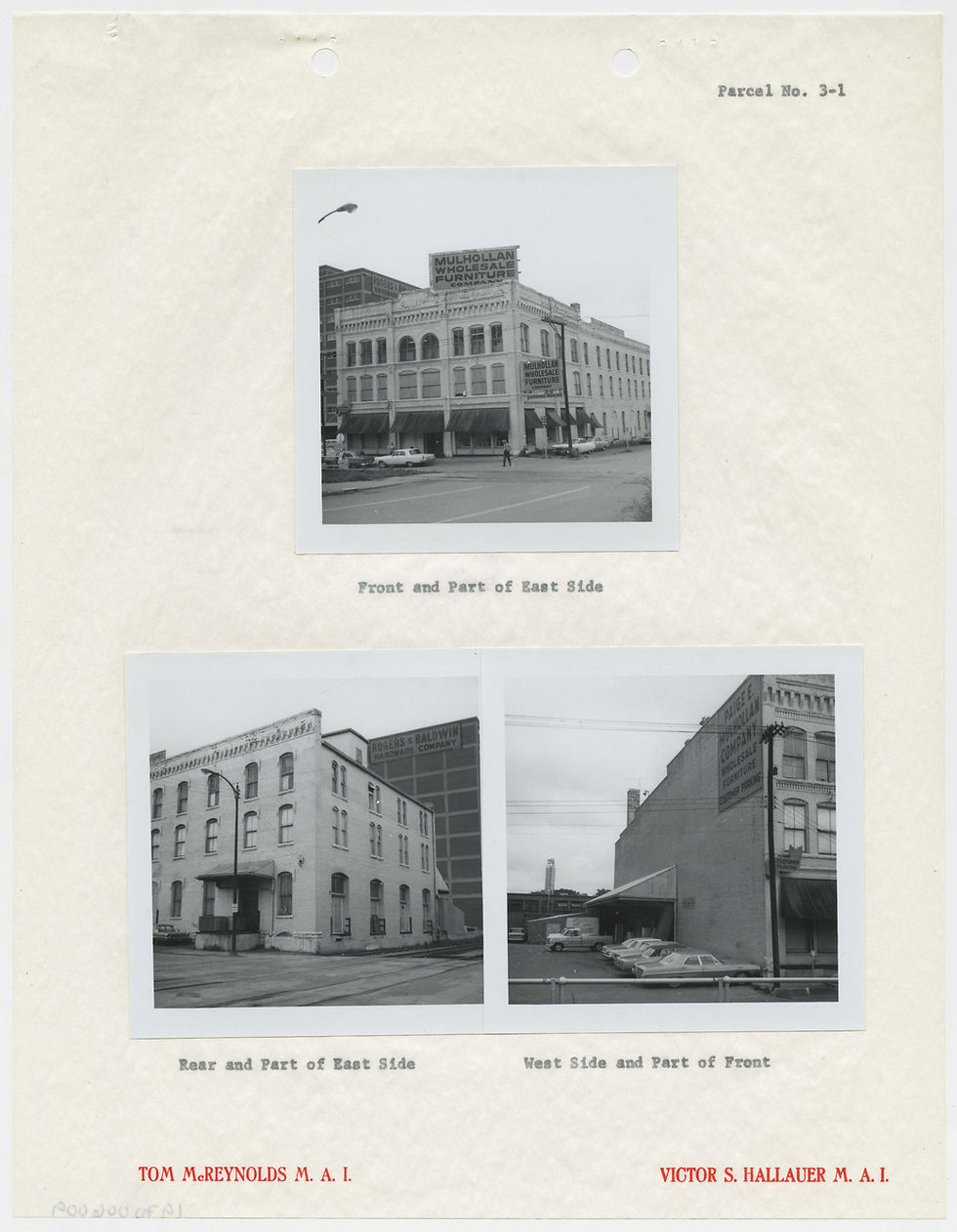
During the 1960s and 1970s, Missouri's Land Clearance and Redevelopment Authority documented structures throughout Springfield as part of its work in the city. The resulting records include property photographs, condition assessments, copies of deeds, and other materials that capture the changing urban landscape.
For decades, these records have been housed in archives. Now, they are freely available to view online through Local History & Genealogy's Land Clearance collection. This keyword-searchable digital collection features thousands of documents and photographs, offering researchers detailed snapshots of a given building's history. Explore the history of the Queen City today with the Land Clearance collection.
Aerial Photography Transparency Collection
Curious about how your neighborhood has changed over the years? Local History & Genealogy's new Aerial Photography Transparency collection can help. Donated by the City of Springfield, this collection consists of aerial photographs taken between 1975 and 1990. Each three-foot square transparency covers one section of the city, and most sections were photographed at five-year intervals.
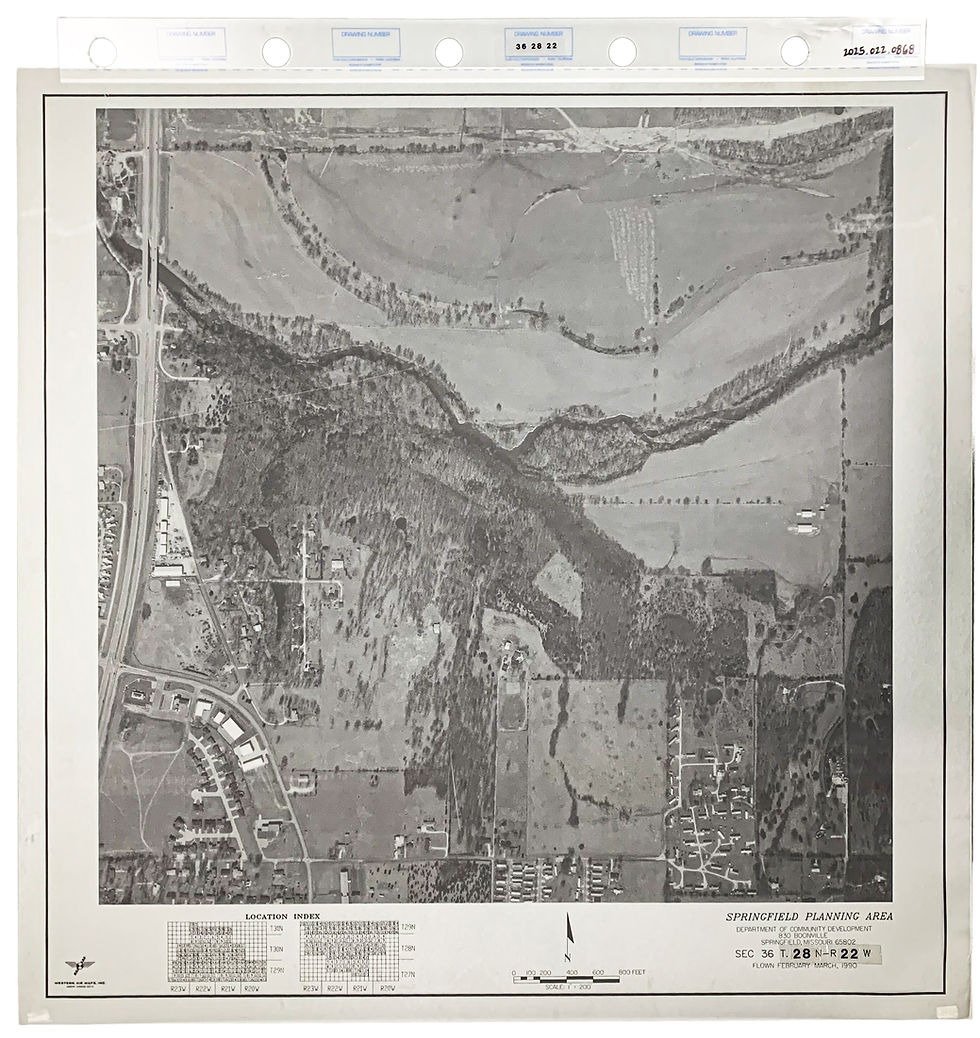
To view an aerial map, complete an Archives Access Request by contacting Local History & Genealogy. Include the map's section, township, range, and applicable dates in your request. If you do not know these details, use the Greene County Assessor's property search tool to identify the section, township, and range for the site.
Upcoming Local History Programs
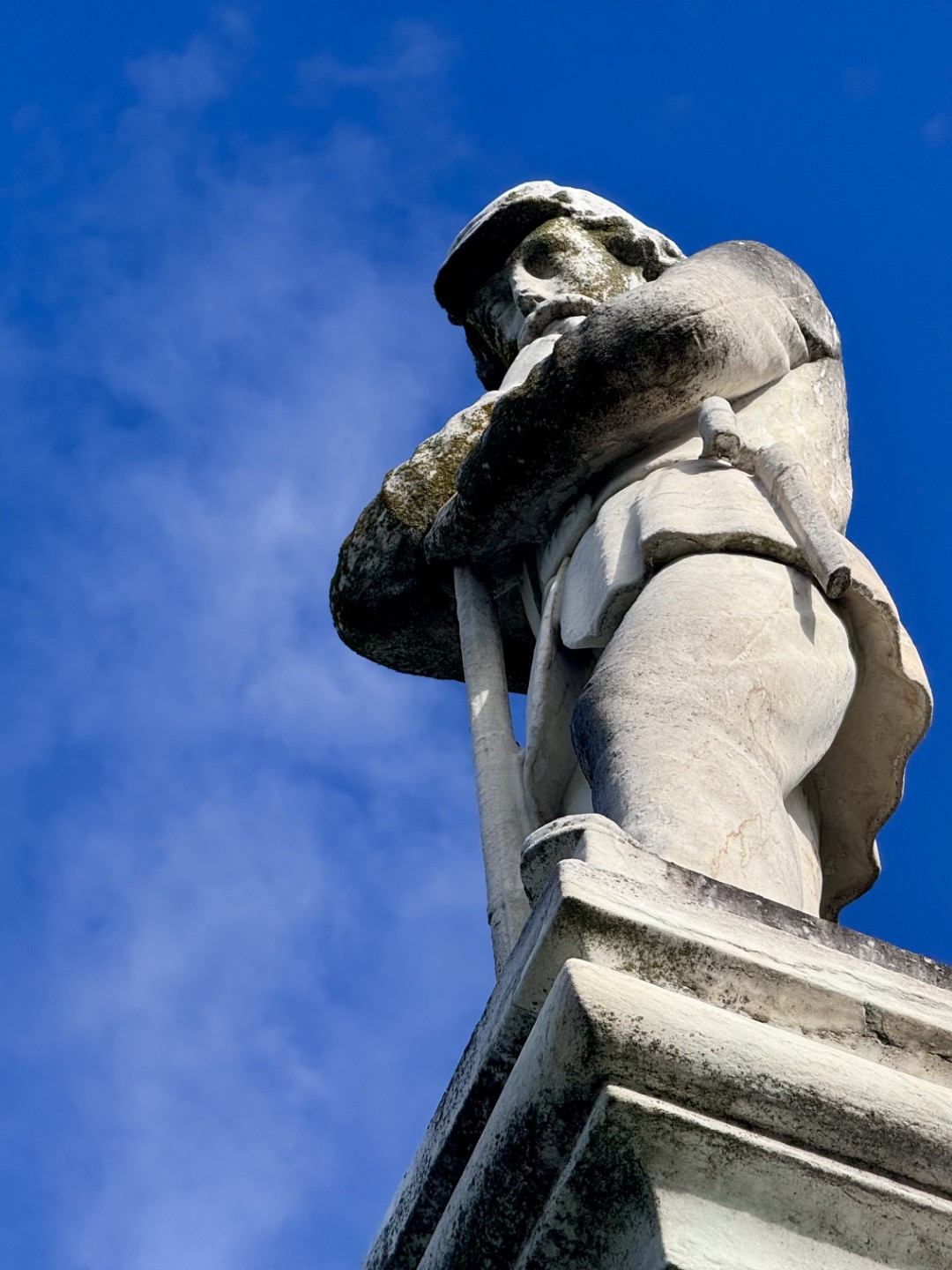
National Cemetery Civil War Walk
Saturday, October 24, 10 a.m. and 10:30 a.m. at the Springfield National Cemetery (1702 E. Seminole Street)
Join Local History & Genealogy staff for a guided walk through the Springfield National Cemetery and hear true tales of Civil War soldiers, battles, monuments, and the cemetery's evolving landscape, all drawn from historical records. Meet at the entrance off Seminole. Each walk is limited to twenty participants.
US 66: The Road that Changed America
Thursday, November 12, 7 p.m. at the Library Center — Hatch Auditorium
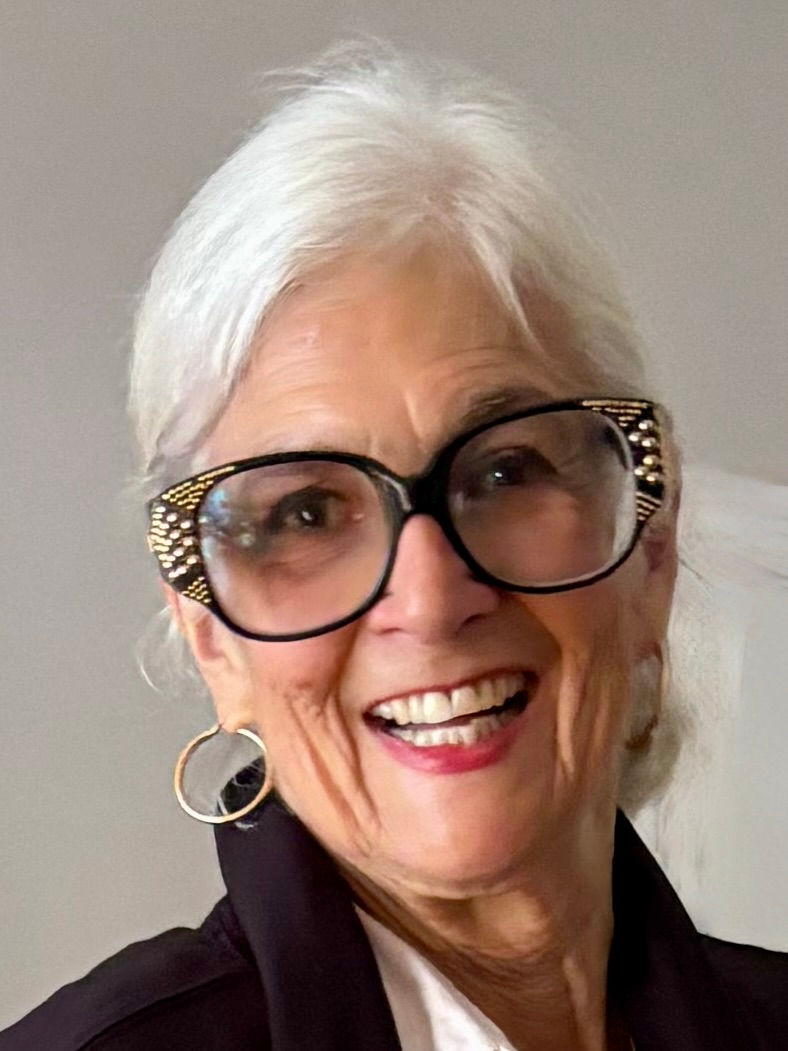
Although the last section of U.S. Highway 66 was officially abandoned in 1985, the idea of Route 66 continues to draw visitors from across the world. Writer Susan Croce Kelly will explore the highway's history, including the conditions that made it an ideal route for American travelers and later an international icon. Kelly, a former journalist who grew up in three Route 66 towns, is the author of two award-winning books on the historic highway. Books will be available for purchase and signing.
Young Historians Club
Children and teens ages eight and older, along with their guardians, are invited to join Local History & Genealogy's Young Historians Club. Each meeting explores a new topic as Local History & Genealogy staff bring the past to life for the historians of tomorrow.
Saturday, November 14, 2 p.m. at the Library Center — Community Room A
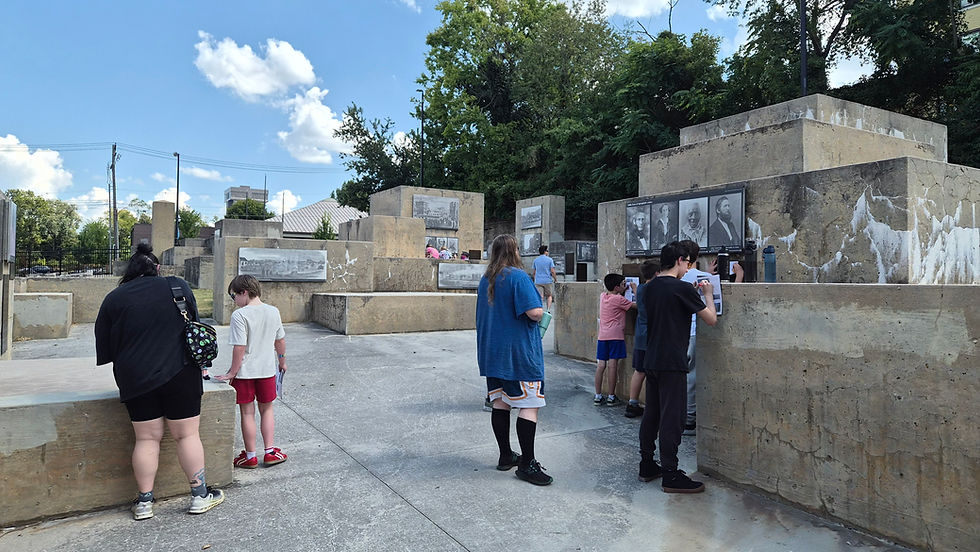
The Young Historians Club will observe National Native American Heritage Month by learning about Indigenous groups with historical ties to Springfield and the Ozarks.
Saturday, December 5, 2 p.m. at the Library Center — Community Room A
Get into the spirit with the Young Historians Club as we delve into old-fashioned Ozarks holiday traditions.
Research Tips & Trivia
Researching with historical city directories
Search engines and social media have largely replaced city directories in daily life. Until recently, however, these substantial volumes were essential reference tools, recording the people and businesses associated with each address from year to year.
Today, Springfield-area city directories remain valuable resources for property researchers and genealogists. Directories dating back to the 1880s are available in person or on microfilm at the Library Center, and many can be viewed online with a free FamilySearch account.
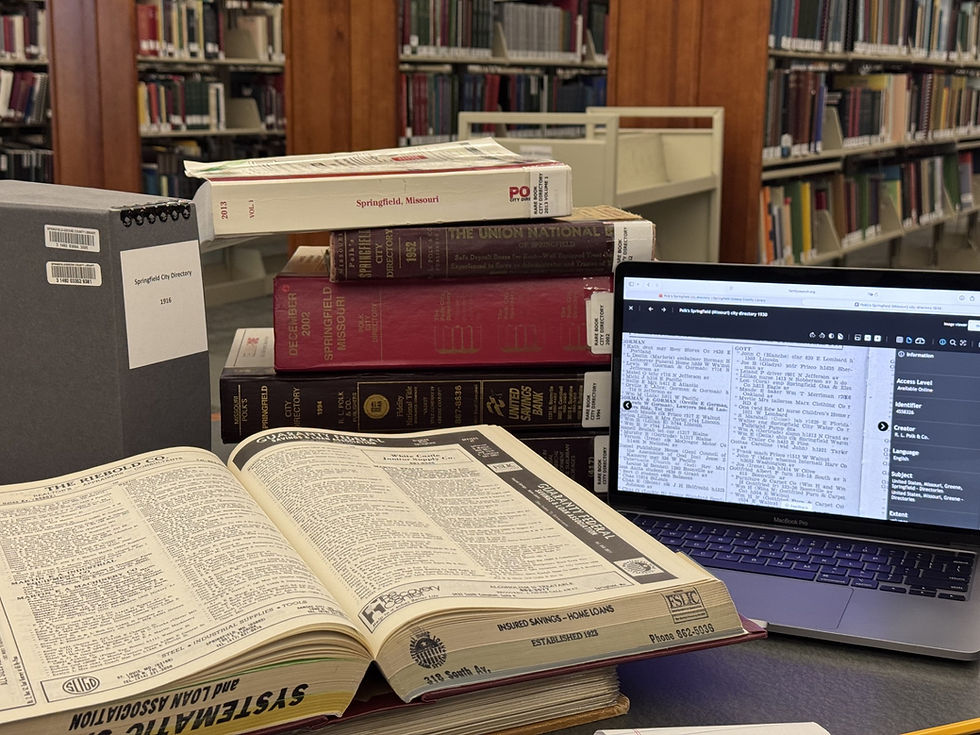
Whether you are tracing the history of your home or determining when a Springfieldian ancestor arrived in the city, these directories may hold the answer. Contact Local History & Genealogy for more information on accessing the collection.
Test Your Local History Knowledge!
If you enjoyed this issue of the Local History Review, please consider making a donation to the Preserving Ozarks History Endowment. Each contribution supports Local History & Genealogy's mission of preserving the history and culture of the Ozarks.
Want more local history news and stories delivered directly to your inbox? Subscribe to our email newsletter, Footnotes, and announcements about new Local History & Genealogy blog posts below: