

Between World Wars: The 1941 Armistice Day Parade

In the early 1940s, the memory of World War I was still vivid for Springfieldians who had served in the conflict. Each year, a parade was held on November 11 to commemorate the day in 1918 when Germany signed an armistice that brought the fighting to an end.
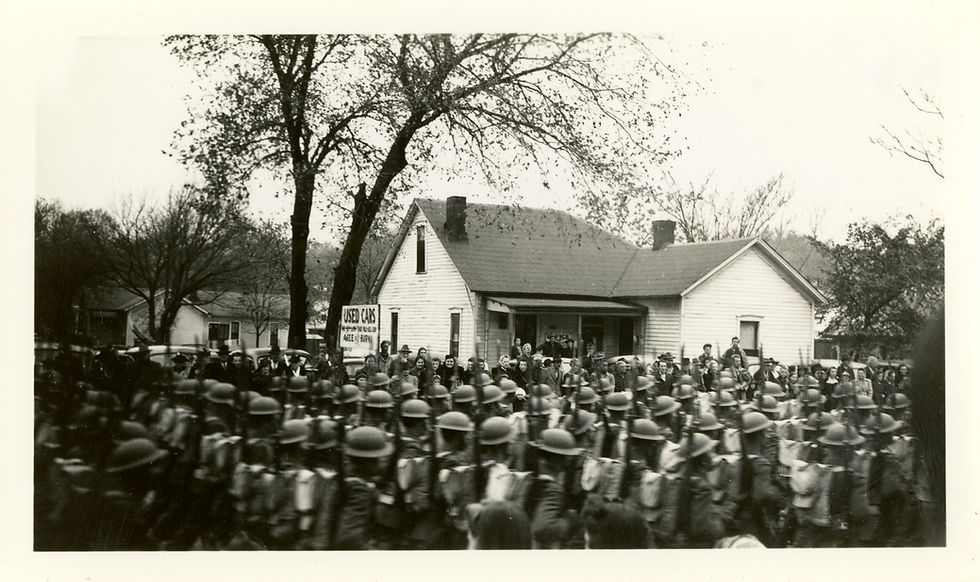
On November 11, 1941, soldiers from the 138th and 140th Infantry Regiments of the 35th Division led the parade through downtown Springfield. At their head was Major General Ralph Truman, the division's former commander and a cousin of Missouri Senator Harry Truman.
As enlisted men and civilians commemorated the millions of lives lost in the earlier conflict, fighting was once again raging across Europe. Less than a month later, the United States would enter World War II, bringing a new generation of Americans into another global conflict.
A Division in the Headlines
The 35th Division had deep roots in Missouri and was well-known in Springfield. Thousands of Missourians had served in the National Guard division during World War I, and many were serving in its ranks in 1941. Major General Ralph Truman, the division's commander since 1938, had also lived in Springfield after the war.
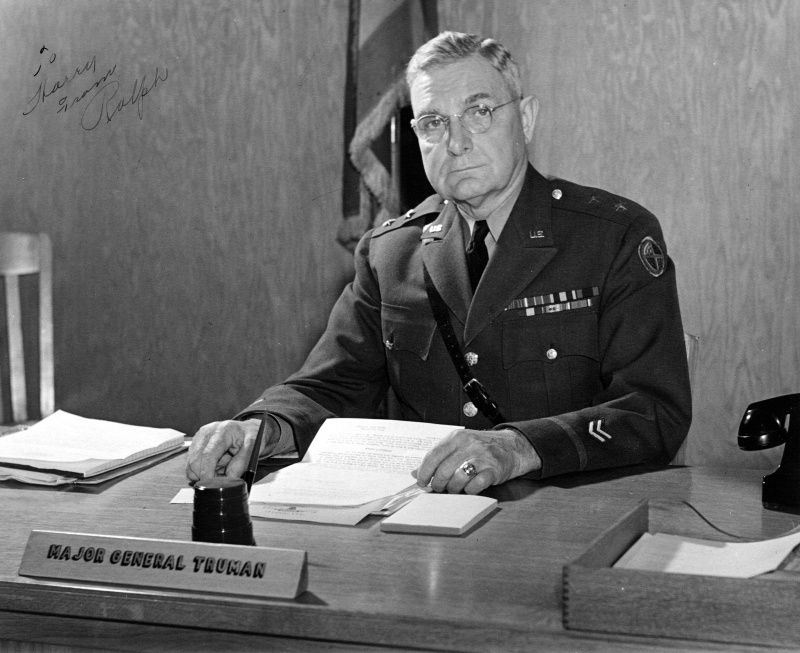
In the months leading up to Springfield's 1941 Armistice Day parade, Truman and the division had been involved in multiple controversies. In July, units from the division were riding on trucks near Memphis, Tennessee. As they passed a golf course, the soldiers began whistling and shouting "yoo-hoo" at a number of young women. Some also shouted, "Fore! Hey, buddy, don't you want a caddy?" to a golfer who was about to take a swing.
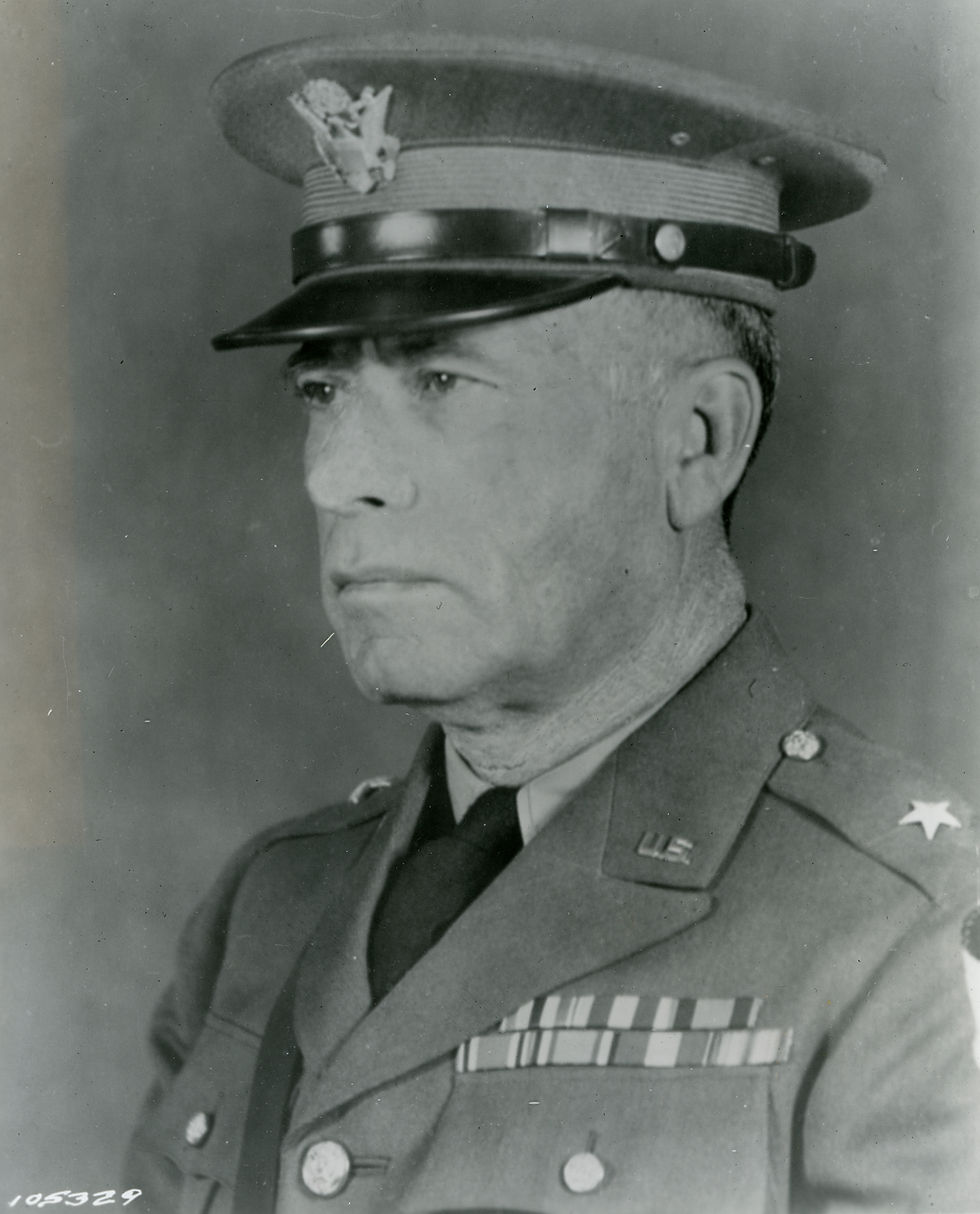
Unfortunately, that golfer was Major General Benjamin Lear, commander of the Second Army and General Truman's commanding officer. Lear considered the incident an example of poor discipline and ordered the soldiers to return to Memphis. The following day, as they traveled back to Camp Robinson, Arkansas, the men were required to march fifteen miles in the summer heat as punishment. The incident drew national headlines, and the War Department required Lear to write a formal report explaining his actions.
Truman faced a more consequential challenge that September, when the 35th Division participated in the Louisiana Maneuvers. As the United States Army expanded in preparation for possible involvement in World War II, training exercises such as the Louisiana Maneuvers were conducted to test the readiness of troops and commanders. General Lear commanded the Second Army, which suffered tactical setbacks during the exercises. The maneuvers were followed by a shake-up in the Army's senior leadership, including the replacement of several National Guard commanders. Among them was Truman, who was relieved of his command of the 35th Division by Lear and reassigned as president of the Second Army's reclassification board.
Truman's removal prompted accusations that Lear was unfairly blaming National Guard officers for his own army's performance in the maneuvers. In a fiery telegram to Lear, Missouri Senator Bennett Clark protested, "It is of course the old army game which does not intend to leave a national guard officer, no matter how efficient, in command of a national guard division. You are trying to blame the tactical defeat which your army suffered on Truman and various other national guard officers which is exceedingly unfair. You should retire yourself rather than make General Truman the goat." Truman subsequently resigned from the Army.
Springfield Welcomes the 35th
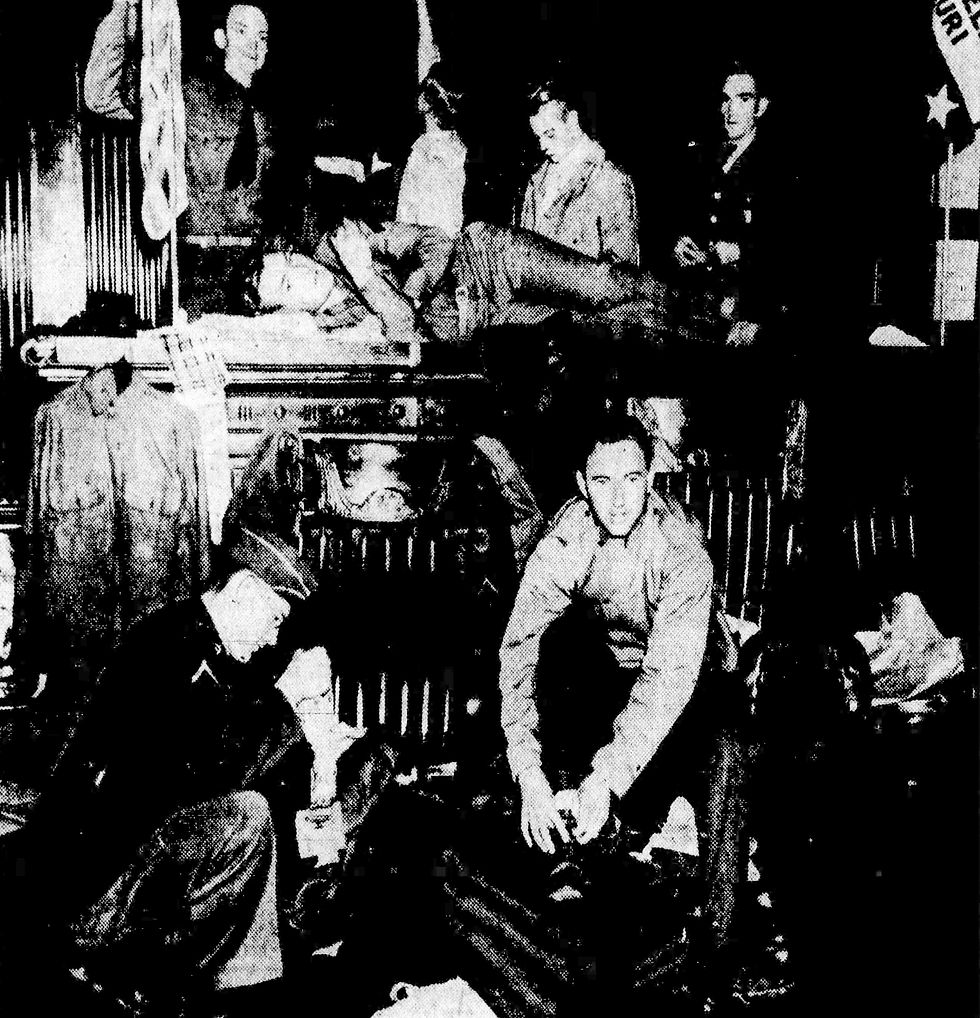
On the afternoon of November 10, about 2,000 troops from the 138th and 140th Infantry Regiments, 35th Division, arrived in Springfield. They were quartered at the Courthouse, City Hall, Senior High School, and the Shrine Mosque. After their recent training exercises, the visit to the Queen City offered a welcome relief. Although soldiers staying at the Shrine Mosque found its stage uncomfortable to sleep on, one private remarked, "It's nothing to what we had on maneuvers."
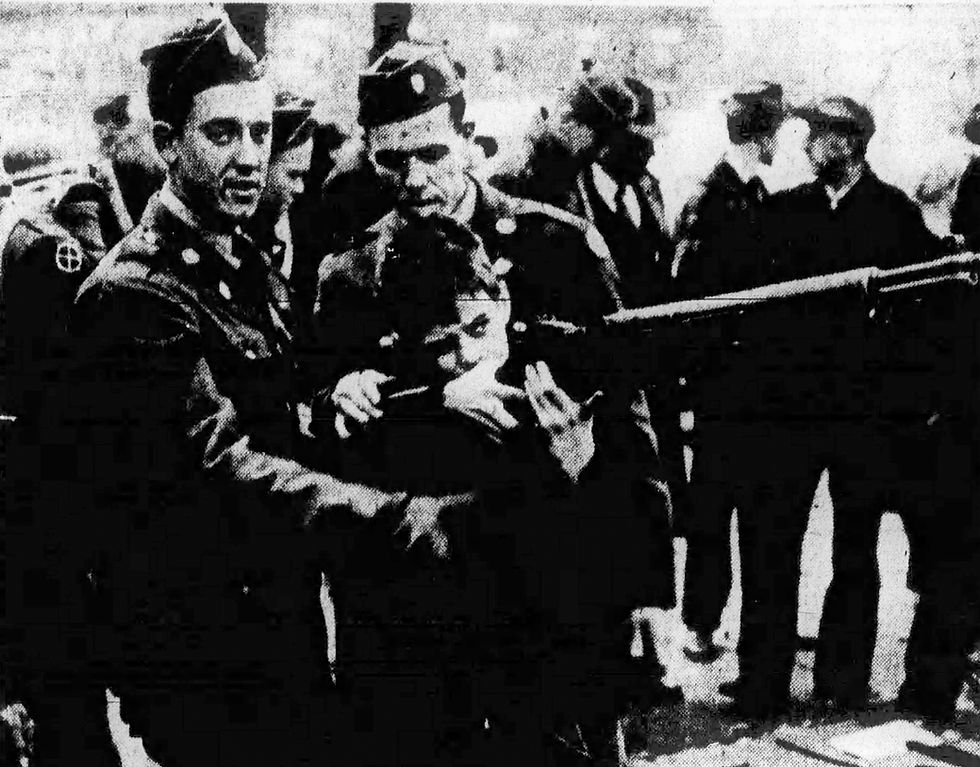
The Armistice Day celebrations began the following morning. Field kitchens were set up in Long Memorial Park, where World War I veterans noted improvements in military food preparation since their own time in service. Soldiers proudly showed off their equipment to curious civilians, who marveled at the mobility of anti-tank guns mounted on small carriages. At Pipkin Junior High School, students received a demonstration of the new M1 Garand rifle.
Despite the festive atmosphere, the soldiers were under strict orders to be on their best behavior while in Springfield. As one soldier explained after the parade, "They told us to act like soldiers, not like a bunch of rookies." Another remarked, "I guess there hasn't been an arrest. Well, I know there hasn't or we would have heard about it."
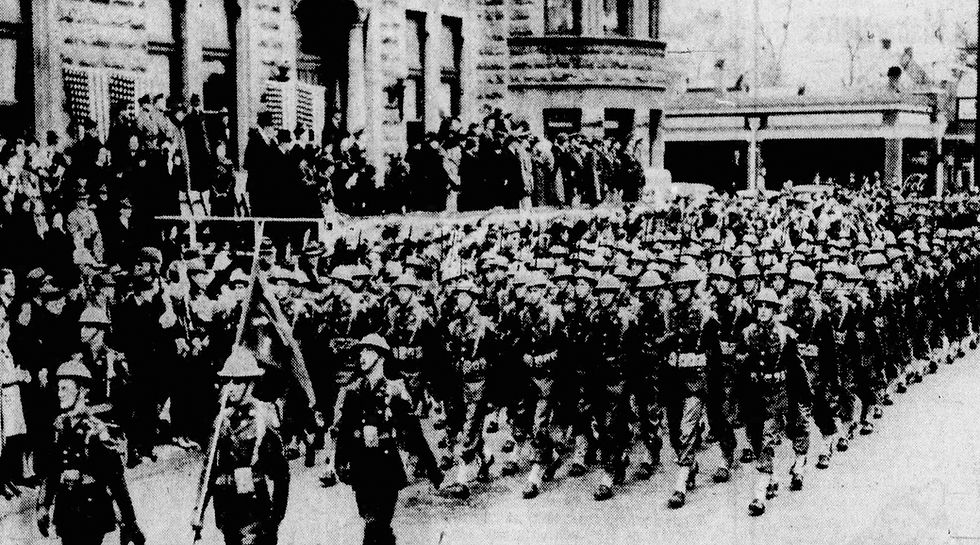
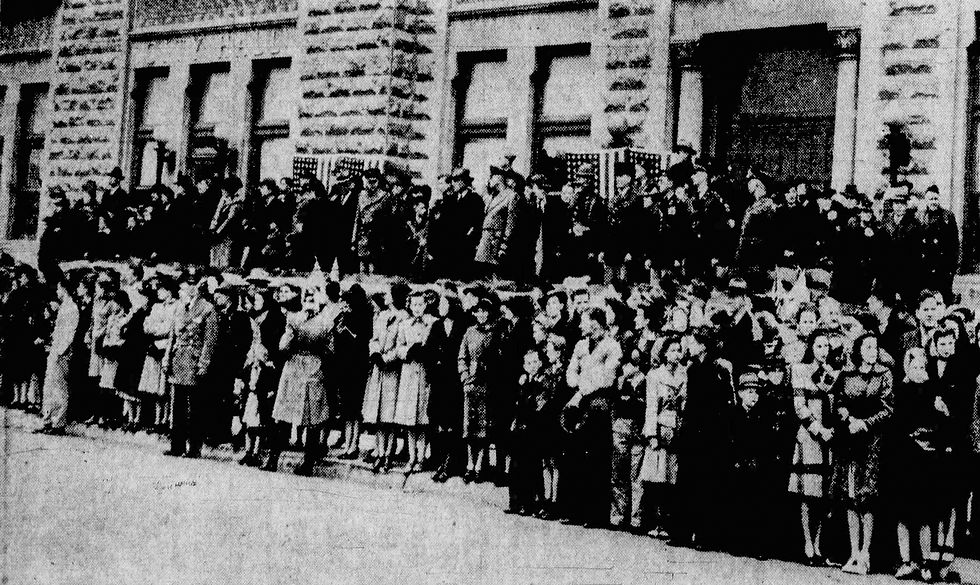
That afternoon, around 40,000 spectators lined both sides of St. Louis Street, Boonville Avenue, and Commercial Street to catch a glimpse of the parade. General Truman, serving as General Lear's personal representative, received an enthusiastic reception as he walked alongside the infantrymen, followed by the division's mortars, machine guns, and anti-tank guns.
"Yoo-hoo" signs hung from store windows along the route, and tire dealer Fred R. McMahon painted his store window with the rhyme: "Lear's out of gear; go ahead and yoo-hoo; he ain't here." Seven young women from the Southwest Missouri State Teachers College—now Missouri State University—made the most of the division's visit, riding a float decorated with artificial grass and a sign that read, "The 19th Hole." The students "yoo-hooed" all along the parade route, even when they passed General Truman on the reviewing stand. Truman returned the call, much to the delight of everyone in earshot.
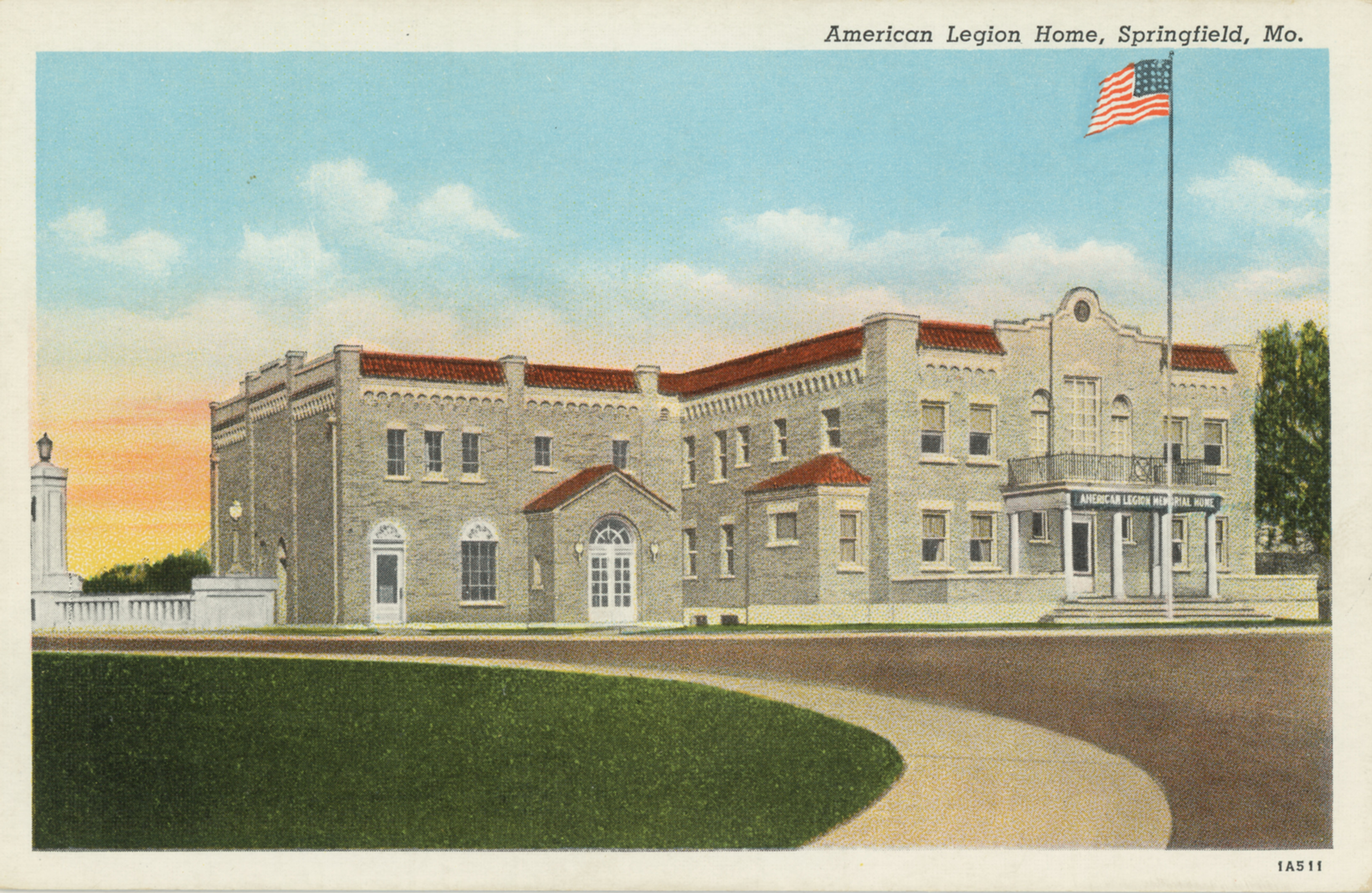
Two military balls were held in Springfield that evening. An officers' ball was held at the American Legion's Goad-Ballinger Post, while the enlisted men gathered across the street at the Shrine Mosque. Local musician R. V. Burch and his eight-piece orchestra, a popular fixture at Legion events, provided music for the officers. General Truman arrived expecting to hear a section of the 140th Infantry band and was surprised to find Burch's orchestra instead. He suggested the musicians switch venues with the Army band performing at the Shrine Mosque.
Burch objected on the grounds that he had a small group and did not want to play in the substantially larger Shrine Mosque. According to Burch, Truman then threatened to have him thrown out of the officers' ball. Not intimidated, Burch shot back, "You and who?" Truman reportedly responded by warning that he would call off the entire ball. At this point, Legion Commander Millard Brown urged Burch and his band to relocate to the Shrine Mosque, and the musicians eventually complied. The officers' ball was left without a band for around an hour before Burch returned.
The following day, General Truman told a reporter for the Springfield Leader and Press that the controversy had been an "unfortunate misunderstanding," and that "the orchestra was very nice and I'm sure everybody had a fine time. I think the people of Springfield have been very fine."
On the Brink of War
Even as Springfield celebrated Armistice Day, the possibility of American involvement in another world war loomed over the festivities. The city's preparations for a potential conflict were already underway. In response to an October 22 proclamation from President Franklin Roosevelt, Mayor Henry Carr declared November 11–16, 1941, "a time for all persons to give thought to their duties and responsibilities as citizens of the nation and of this city and to become informed of the many vital phases of the civilian defense program in this city, and how they can participate in this program."
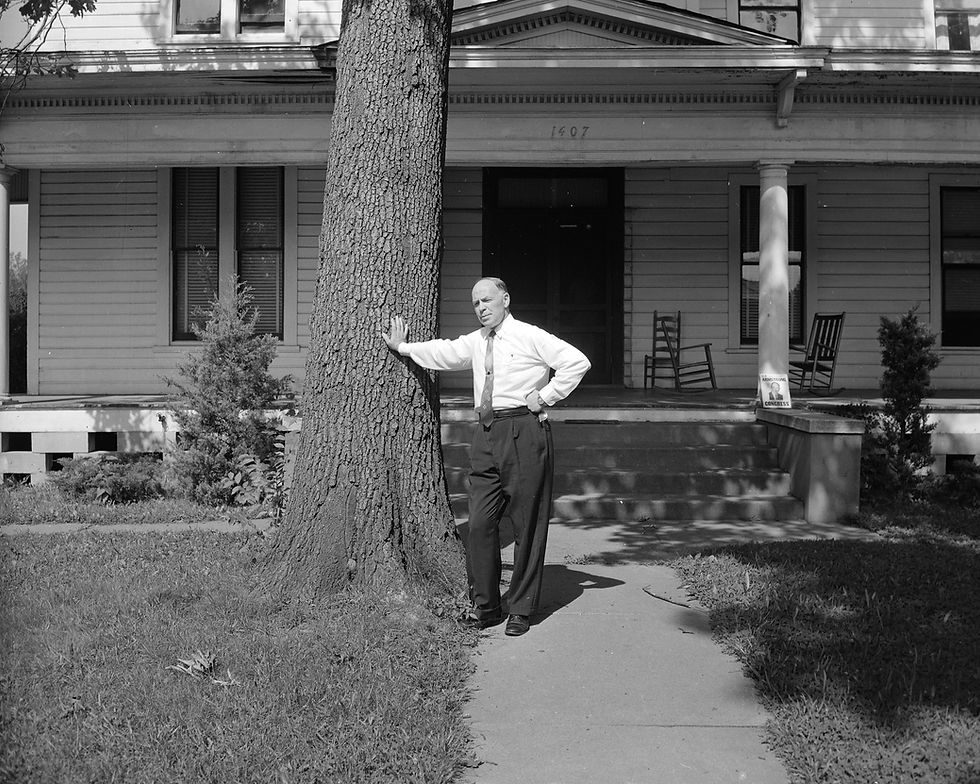
The prospect of war weighed on local author and politician Orland K. Armstrong, a World War I veteran who had served in the air service at Kelly Field in Texas. Speaking to an assembly at Pipkin Junior High School on the morning of the parade, Armstrong urged students to work toward a future without war. "Our boys gave their lives in the last war in vain, unless we can plan now to avoid such great wars as that last war, and as this present war is," he warned. "There can be no democracy unless we outlaw war, for war is the enemy of all freedom."
Less than a month later, on December 7, 1941, Japan attacked Pearl Harbor. The next day, the United States declared war on Japan, drawing Americans into another global conflict. The Armistice Day parade had commemorated the sacrifices of one generation just weeks before another would be called to serve.
In 1954, Congress renamed Armistice Day as Veterans Day, expanding its purpose from commemorating the end of World War I to honoring American veterans of all wars.
Further Reading
To learn more about Missouri in World War I, visit the Library's Missouri Over There digital collection. This statewide collaborative project features a wide array of primary sources, photographs of artifacts, and a database of Missouri service members.
For additional information about the 35th Division's service during the war, see Clair Kenamore's From Vauquois Hill to Exermont: A History of the Thirty-Fifth Division of the United States Army and Ward L. Schrantz's memoir, A Machine-Gunner in France: The Memoirs of Ward Schrantz, 35th Division, 1917-1919.
If you enjoyed this article, please consider making a donation to the Preserving Ozarks History Endowment. Each contribution supports Local History & Genealogy's mission of preserving the history and culture of the Ozarks.
Want more local history news and stories delivered directly to your inbox? Sign up for Local History & Genealogy's newsletter and email announcements.
References
"140th Veterans Will Be Guests." Springfield Leader and Press, 23 October 1941, p. 5.
"40,000 Line Route Of 'Biggest Parade'." Springfield Daily News, 12 November 1941, p. 1.
"America Enters the War." National Museum of American History.
"Anti-Tank Gun." Springfield Leader and Press, 11 November 1941, p. 1.
"Armstrong, Orland K. | Service Database." Missouri Over There.
"Armstrong Tells Students Their Task Is to End War." Springfield Leader and Press, 11 November 1941, p. 12.
"ARMY: Yoo-Hoo!" TIME, 20 July 1941.
Associated Press. "Report is Asked of General Lear." Springfield Daily News, 11 July 1941, p. 9.
———. "Tired 'Doghouse Battalion' Pays for Gaiety in Memphis." Springfield Leader and Press, 8 July 1941, p. 7.
———. "Truman Case Upsets Clark." Springfield Leader and Press, 16 October 1941, p. 14.
———. "Truman the Goat for General Lear, Senator Asserts." Springfield Daily News, 16 October 1941, p. 1.
"Camp Robinson Troops Make Good Impression." Springfield Daily News, 12 November 1941, p. 12.
Citino, Robert. "The Louisiana Maneuvers." The National WWII Museum, 11 July 2017.
"Civilian Defense Week Proclaimed By Mayor Carr." Springfield Leader and Press, 11 November 1941, p. 12.
Connelley, William E. "World War I – The 35th Infantry Division." History of Kansas: State and People, vol. 2, American Historical Society, 1928. pp. 889–893. Reprinted by the Museum of the Kansas National Guard.
Gabel, Christopher R. The U.S. Army GHQ Maneuvers of 1941, Center of Military History, United States Army, 1992.
"General Becomes Indignant, Band Walks Out on Officers." Springfield Leader and Press, 12 November 1941, p. 1.
"History of Veterans Day." U.S. Department of Veterans Affairs.
"Learns About New Garrand Rifle." Springfield Daily News, 12 November 1941, p. 12.
"Men of 35th Lead Spectacular Parade." Springfield Leader and Press, 11 November 1941, p. 1.
"Scenes As Officers and Men of the 35th 'Take' Springfield." Springfield Leader and Press, 11 November 1941, p. 12.
"Springfield's General On A 'Busman's Holiday.'" Springfield Daily News, 15 July 1941, p. 1.
"Tenting on the Old Judge's Bench.... Eating at the Park Before the Big Parade." Springfield Leader and Press, 11 November 1941, p. 1.